How to Spot Greenwashing on a Beauty Label in 30 Seconds
Quick Answer: Flip the bottle over — if the front says ‘natural’ or ‘clean’ but the ingredient list has no specifics on what’s excluded or a vague ‘proprietary blend,’ that’s a greenwashing red flag; real clean brands list exactly what they leave out and back it with a real ingredient list, not just front-label buzzwords.
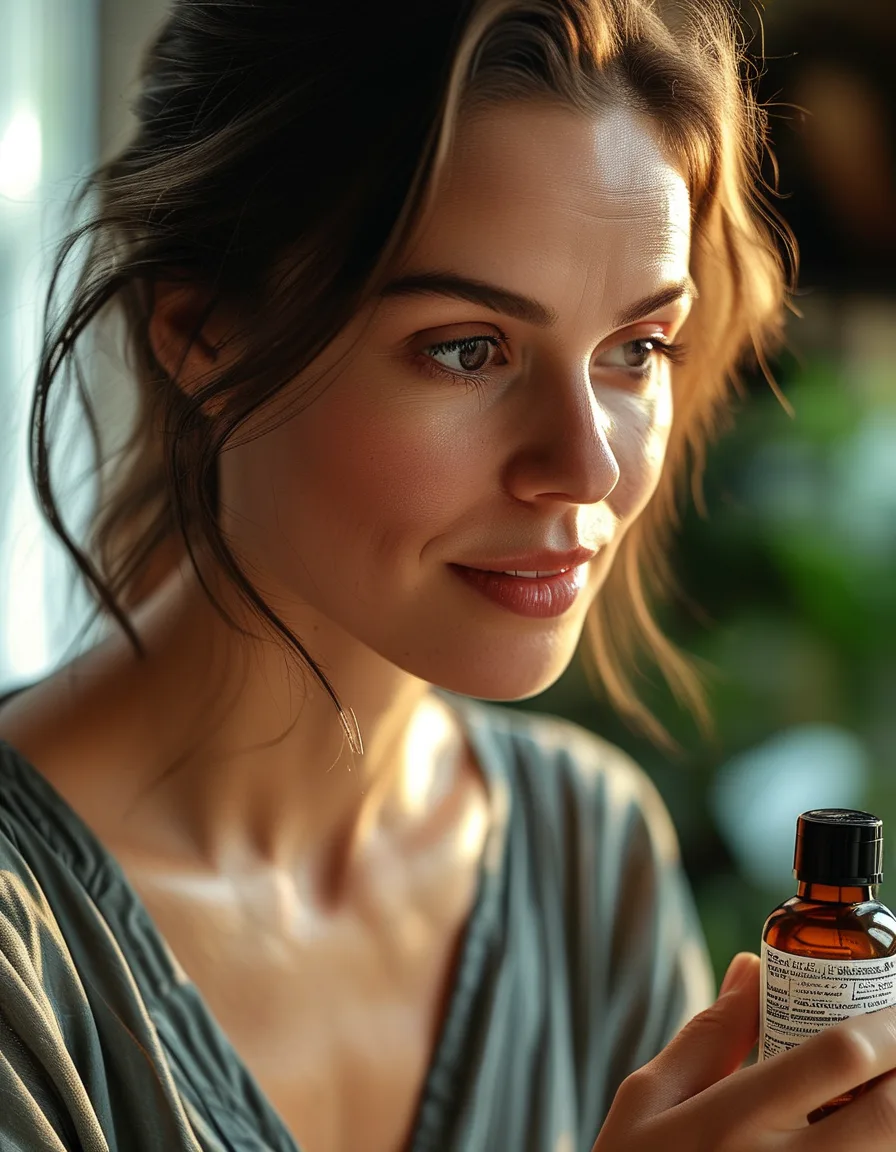
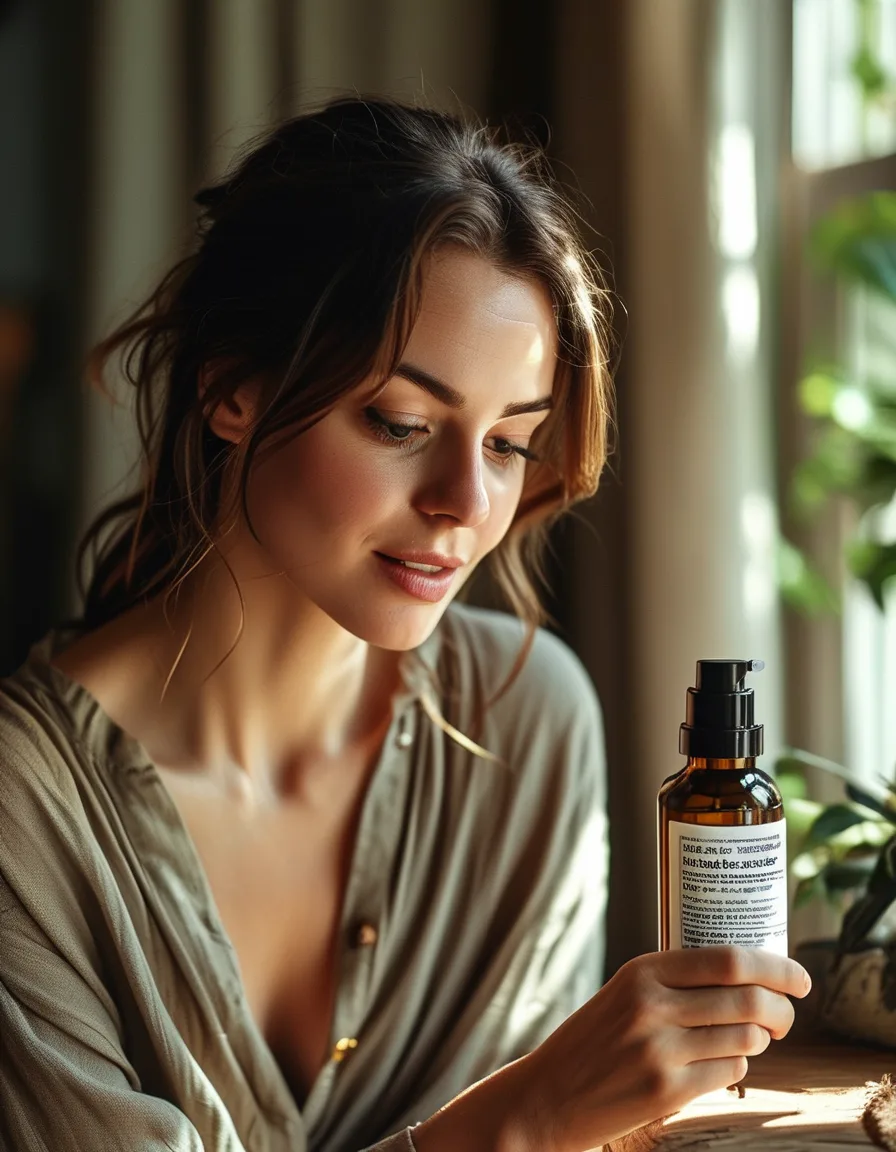
The front of the bottle is marketing. The back is the actual product. Most greenwashing lives entirely in that gap.
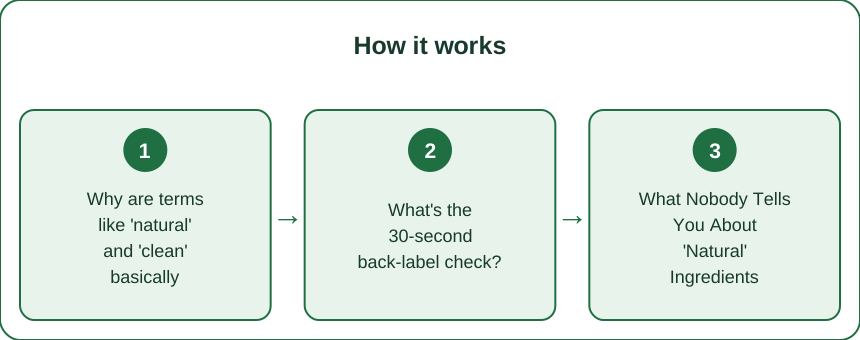
Why are terms like ‘natural’ and ‘clean’ basically meaningless on their own?
Because in most markets, these words are not legally defined for cosmetics the way ‘organic’ is for food. A brand can print ‘clean’ on a bottle containing standard synthetic preservatives and it’s not false advertising — because the word itself has no regulatory teeth.
That’s exactly why the ingredient list matters more than any front-label word.
What’s the 30-second back-label check?
1. Look for a specific ‘free-from’ list (like ‘free of parabens, sulfates, phthalates’) rather than a vague ‘clean’ claim. Specific claims are legally riskier to fake, so brands that make them tend to mean it.
2. Check ingredient count. A wildly short list (under 10 ingredients) on a product type that normally needs more (like a sunscreen or foundation) can mean something’s been left out that matters for performance, not just safety.
3. Search for ‘fragrance’ or ‘parfum’ alone with nothing else specified — under current disclosure rules, this can legally hide dozens of undisclosed compounds, even on an otherwise ‘clean’ product.
What Nobody Tells You About ‘Natural’ Ingredients
Here’s the part the marketing skips: natural does not automatically mean safer. Poison ivy, arsenic, and a dozen potent allergens are all completely natural. Meanwhile, some lab-synthesized ingredients (like certain forms of hyaluronic acid) are structurally identical to what your skin already makes.
The real question isn’t natural-vs-synthetic — it’s whether an ingredient is well-studied and appropriately dosed for your skin. That question doesn’t care which column the ingredient came from.
How do you actually verify a brand’s clean claims?
Cross-check the ingredient list against a reputable ingredient database rather than trusting the label alone — most let you search individual ingredients for known concerns. Also check whether the brand publishes its full ingredient list on its own website, not just select ‘hero’ ingredients — brands with nothing to hide tend to show everything.
FAQ: Greenwashing Questions, Answered
Is ‘dermatologist tested’ a meaningful claim?
It only means a dermatologist was involved in testing at some point — it doesn’t specify the result or how rigorous the test was, so treat it as neutral, not proof of safety.
Does a higher price mean cleaner ingredients?
No correlation exists between price and ingredient transparency — some budget lines disclose more than luxury ones.
What’s the single fastest red flag to check first?
An unspecified ‘fragrance’ on the ingredient list of a product marketed as fully clean or fragrance-free-adjacent — that mismatch is the quickest tell.
TL;DR:
- Front-label words like ‘natural’ and ‘clean’ aren’t regulated — the ingredient list is the real claim
- Look for specific free-from claims, not vague buzzwords
- ‘Natural’ doesn’t mean safer — dose and formulation matter more than origin
- Unspecified ‘fragrance’ on an otherwise clean label is the fastest red flag to check
The back label takes 30 seconds to check and tells you more than any front-of-bottle word ever will.
Keep Reading
This article is for general informational and styling purposes only. Fit, sizing, and product availability may vary.