How to Spot Greenwashing on a Beauty Label in 10 Seconds
Quick Answer: “Natural” and “clean” aren’t regulated terms in the US, so they can mean nothing at all. The fast check: flip the bottle, find the ingredient list, and see if it’s specific and legible — vague marketing plus a vague ingredient list is the clearest greenwashing signal.
The front of the bottle says “clean,” “natural,” and has a green leaf icon. None of those words are legally defined for cosmetics in the US — which means the only honest information is on the back, in the ingredient list itself.
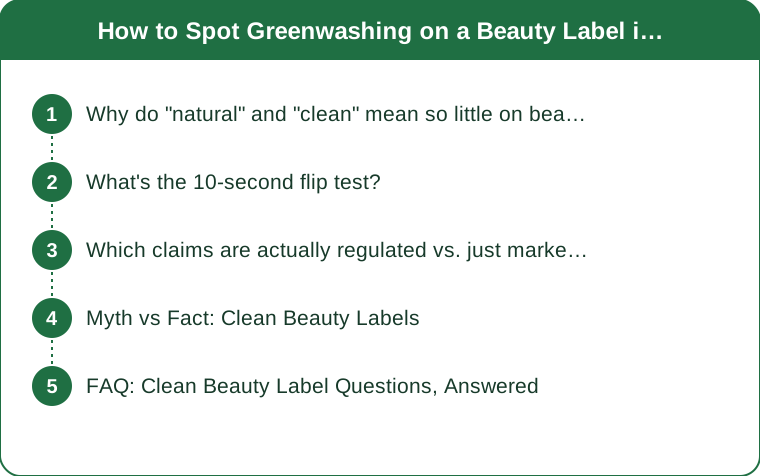
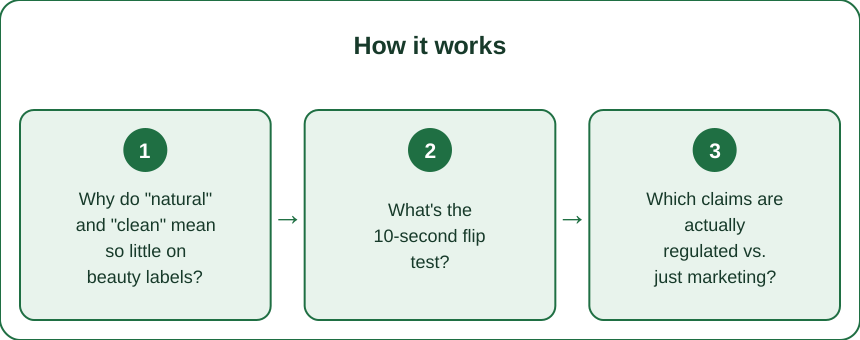
Why do “natural” and “clean” mean so little on beauty labels?
Because the FDA doesn’t regulate either term for cosmetics — brands can print “clean beauty” on literally anything. The green leaf icon, the earthy font, the word “botanical” are all marketing choices, not certifications, unless paired with an actual third-party seal.
What’s the 10-second flip test?
Turn the bottle over. If the ingredient list is long, in tiny unreadable font, or buried after three paragraphs of brand story — that’s a greenwashing signal. Genuinely transparent brands put ingredients front and center, often with a plain-language explanation of what each key one does.
Which claims are actually regulated vs. just marketing?
Regulated/meaningful: USDA Organic, EWG Verified, Leaping Bunny (cruelty-free), COSMOS Organic. Unregulated/marketing only: “natural,” “clean,” “non-toxic,” “chemical-free” (everything is a chemical, including water). If a label leans entirely on the unregulated column with zero certifications, treat the clean claim skeptically.
Myth vs Fact: Clean Beauty Labels
Myth: “Natural” ingredients are automatically safer than synthetic ones. Fact: Poison ivy and formaldehyde-releasing preservatives derived from plants are both “natural” — safety depends on the specific ingredient and concentration, not its origin.
Myth: A short ingredient list always means a cleaner product. Fact: Short lists can also mean fewer stabilizers and preservatives, which can shorten shelf life or increase irritation risk in unpreserved water-based formulas — shorter isn’t automatically better, it’s just different.
FAQ: Clean Beauty Label Questions, Answered
Are clean beauty products actually worth the extra cost?
Sometimes — look past the marketing language to the actual certifications and ingredient sourcing before deciding it’s worth a premium.
What’s the fastest single red flag to check?
An ingredient list that’s vague, uses “fragrance” as a catch-all with nothing else specified, or is printed too small to read comfortably.
Do I need to memorize ingredient names to shop clean beauty well?
No — you just need to notice whether the brand makes it easy to check, which itself tells you most of what you need to know.
TL;DR:
- “Natural” and “clean” aren’t regulated terms — they’re marketing, not certifications
- Flip the bottle: a legible, specific ingredient list beats a leafy front label every time
- Look for actual certifications (USDA Organic, EWG, Leaping Bunny) over buzzwords
- Natural doesn’t automatically mean safer, and short lists don’t automatically mean cleaner
The 10-second flip test won’t make you an ingredient expert — but it will catch most greenwashing before it catches your wallet.
Keep Reading
This article is for general informational and styling purposes only. Fit, sizing, and product availability may vary.