Mineral vs Chemical Sunscreen for a Clean Beauty Routine: What Actually Matters
Quick Answer: Mineral sunscreens (zinc oxide, titanium dioxide) sit on top of skin and reflect UV rays, while chemical sunscreens absorb into skin and convert UV into heat — clean beauty preference for mineral options is based mostly on fewer ingredient concerns and lower environmental impact, not because chemical sunscreens are inherently less effective at sun protection.
Mineral sunscreen has become something of a default clean beauty recommendation, but the actual reasoning is more specific than “mineral is just better” — and it’s worth understanding before assuming one is automatically the right choice.
What’s the actual difference in how each type works?
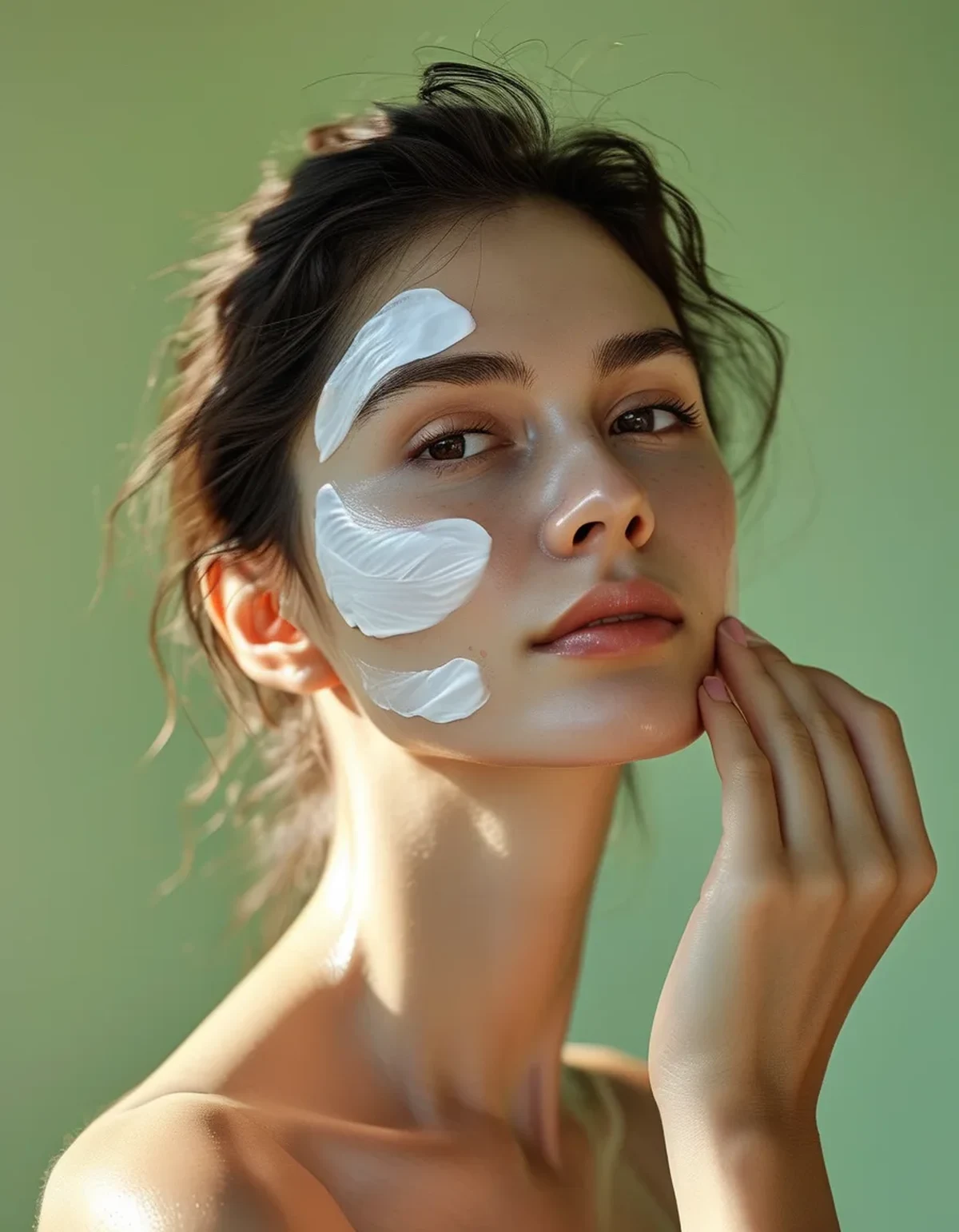
Mineral sunscreen ingredients (zinc oxide and titanium dioxide) sit on the skin’s surface and physically reflect or scatter UV radiation, while chemical sunscreen ingredients absorb into the upper skin layers and convert UV radiation into heat that’s then released from the skin.
Both approaches provide genuine, tested sun protection when formulated and applied correctly — the difference is mechanism, not a meaningful gap in overall effectiveness for most people.
Why does clean beauty generally favor mineral formulas?
The main concerns raised about chemical sunscreen ingredients relate to potential hormone-disrupting effects of a few specific compounds and environmental impact on coral reefs, both of which have prompted increased caution in clean beauty formulation standards specifically.
Mineral ingredients have a longer safety track record with fewer of these specific concerns raised, which is the primary driver of clean beauty’s mineral preference — it’s a caution-based choice rather than a claim that chemical sunscreens don’t work.

What Nobody Tells You About Mineral Sunscreen’s Real Drawbacks
Mineral sunscreens have historically left a visible white cast, particularly on deeper skin tones, though reformulated micronized versions have significantly reduced this in recent years — it’s still worth patch-testing before committing to a specific product, since formula quality varies widely.
Mineral formulas also tend to feel heavier or more matte than chemical sunscreens, which some people find less pleasant for daily wear under makeup — this is a genuine tradeoff, not a reason to avoid mineral sunscreen, but worth knowing before switching.
Does SPF number matter more than the mineral vs chemical choice?
In practical terms, yes — an SPF 30+ product applied correctly and reapplied as needed provides meaningfully more protection than a technically “cleaner” formula applied too thinly or skipped on cloudy days. The mineral-vs-chemical decision matters less for actual sun protection outcomes than consistent, adequate application of whichever formula you’ll actually use daily.
FAQ: Mineral vs Chemical Sunscreen Questions, Answered
Is mineral sunscreen actually safer for sensitive skin?
Generally yes — mineral formulas tend to cause less irritation for sensitive or reactive skin types, since they don’t require the same chemical absorption process that can occasionally trigger sensitivity in chemical formulas.
Are chemical sunscreens actually banned or restricted anywhere?
Some specific chemical UV filters are restricted in certain regions due to environmental concerns, particularly around coral reef impact, though this varies by ingredient and location rather than applying to all chemical sunscreens broadly.
Can I mix mineral and chemical products in my routine?
Yes — some hybrid formulas combine both types, and there’s no inherent problem layering a mineral sunscreen with other chemical-filter skincare products elsewhere in a routine.
TL;DR:
- Mineral sunscreen reflects UV physically; chemical sunscreen absorbs and converts it to heat
- Clean beauty’s mineral preference is caution-based, not a claim chemical sunscreens don’t work
- Reformulated mineral products have largely fixed the old white-cast problem, but check reviews first
- Consistent application of any adequate SPF matters more than which type you choose
Both formula types offer real protection — the mineral preference in clean beauty is about ingredient caution, not a performance gap.
Keep Reading
This article is for general informational and styling purposes only. Fit, sizing, and product availability may vary.