Why 'Natural' on a Clean Beauty Label Doesn't Automatically Mean Safer
Quick Answer: ‘Natural’ is an unregulated marketing term with no legal definition in most cosmetic labeling standards, meaning it says nothing reliable about safety, allergen risk, or effectiveness — some natural ingredients (like certain essential oils) are actually more likely to cause skin irritation than synthetic alternatives specifically formulated to minimize reactivity.
‘Natural’ sounds inherently safer, but the term isn’t regulated in a way that guarantees anything about how an ingredient actually behaves on skin.
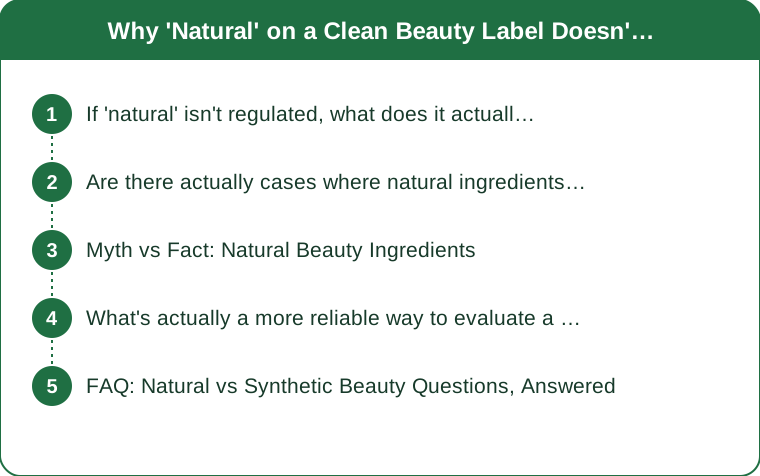
If ‘natural’ isn’t regulated, what does it actually tell you about a product?
Essentially nothing reliable about safety or effectiveness — in most regulatory frameworks, ‘natural’ has no enforced legal definition for cosmetics, meaning brands can apply it broadly without meeting any specific safety or sourcing standard, unlike terms such as ‘organic’ which sometimes carry more defined certification requirements.
This doesn’t mean natural-labeled products are automatically bad — it means the label itself isn’t the safety signal it’s often assumed to be, and ingredient-level scrutiny matters more than the marketing term.
Are there actually cases where natural ingredients are riskier than synthetic ones?
Yes — certain essential oils and plant extracts are well-documented skin irritants and allergens, sometimes more reactive than synthetic alternatives specifically engineered to minimize irritation and allergic response.
Citrus oils, certain essential oil concentrations, and some plant-derived preservative alternatives have documented higher irritation rates in dermatology research than some maligned synthetic counterparts, which is counter to the common assumption.
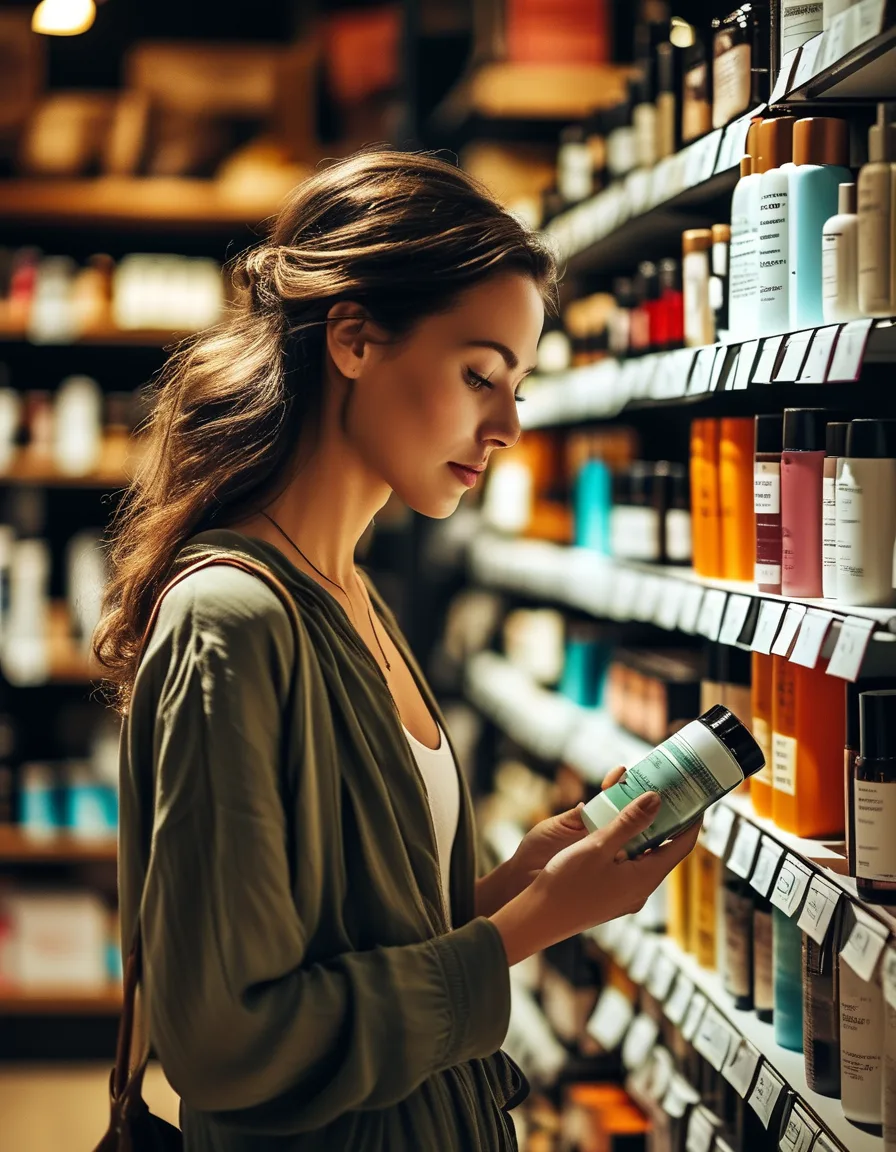
Myth vs Fact: Natural Beauty Ingredients
Myth: If an ingredient is natural, it can’t cause an allergic reaction. Fact: Natural ingredients, especially plant extracts and essential oils, are common allergens and irritants — natural origin doesn’t reduce allergy risk.
Myth: Synthetic preservatives are inherently more dangerous than natural ones. Fact: Regulated synthetic preservatives are typically tested more rigorously for safety than many ‘natural’ preservative alternatives, some of which have less safety data available.
Myth: A short ingredient list always means a cleaner, safer product. Fact: Ingredient count doesn’t correlate with safety — a longer list can include stabilizers that make a formula safer and more consistent, not more dangerous.
What’s actually a more reliable way to evaluate a clean beauty product than the ‘natural’ label?
Checking specific ingredients against a reputable dermatology-reviewed database, and looking for actual certifications with defined standards (like specific organic certifications with enforced criteria) provides more reliable information than a general ‘natural’ or ‘clean’ marketing claim.
For sensitive skin specifically, patch-testing any new product — natural-labeled or not — remains the most reliable individual safety check, since reaction risk varies significantly by person regardless of ingredient origin.
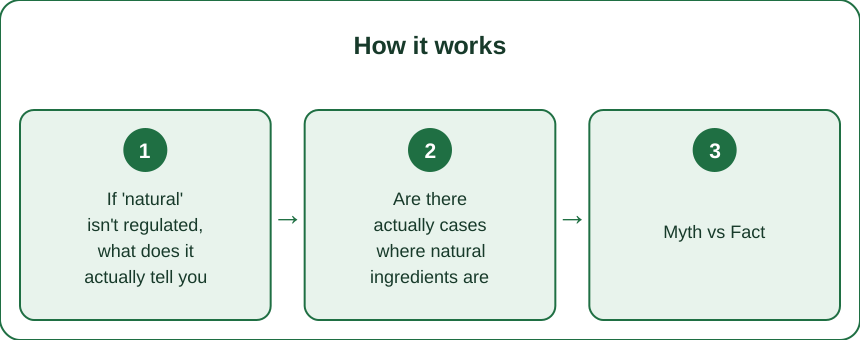
FAQ: Natural vs Synthetic Beauty Questions, Answered
Is ‘clean beauty’ as a category regulated any more strictly than ‘natural’?
No — ‘clean beauty’ is also generally an unregulated marketing term without a standardized legal definition, similar to ‘natural.‘
Should I avoid all synthetic ingredients in skincare to be safe?
Not necessarily — many synthetic ingredients are rigorously tested and formulated specifically to reduce irritation; avoiding them entirely isn’t necessary for safety.
Is it worth paying more for products labeled ‘natural’ or ‘clean’?
This is a personal values decision more than a safety one — if it matters to you for other reasons (sourcing, environmental impact), that’s valid, but it shouldn’t be treated as a safety guarantee.
TL;DR:
- ‘Natural’ has no enforced legal definition in most cosmetic labeling standards
- Some natural ingredients (certain essential oils) are more irritating than synthetic alternatives
- Ingredient-level research and patch testing are more reliable than the label term itself
- ‘Clean beauty’ is similarly unregulated as a marketing term
The label isn’t lying exactly — it’s just not saying what most people assume it is. This is general information, not medical advice.
Keep Reading
This article is for general informational and styling purposes only. Fit, sizing, and product availability may vary.